Thursday, 7 June 2018

In case you missed it... Let remember the Legend a day late!!!!

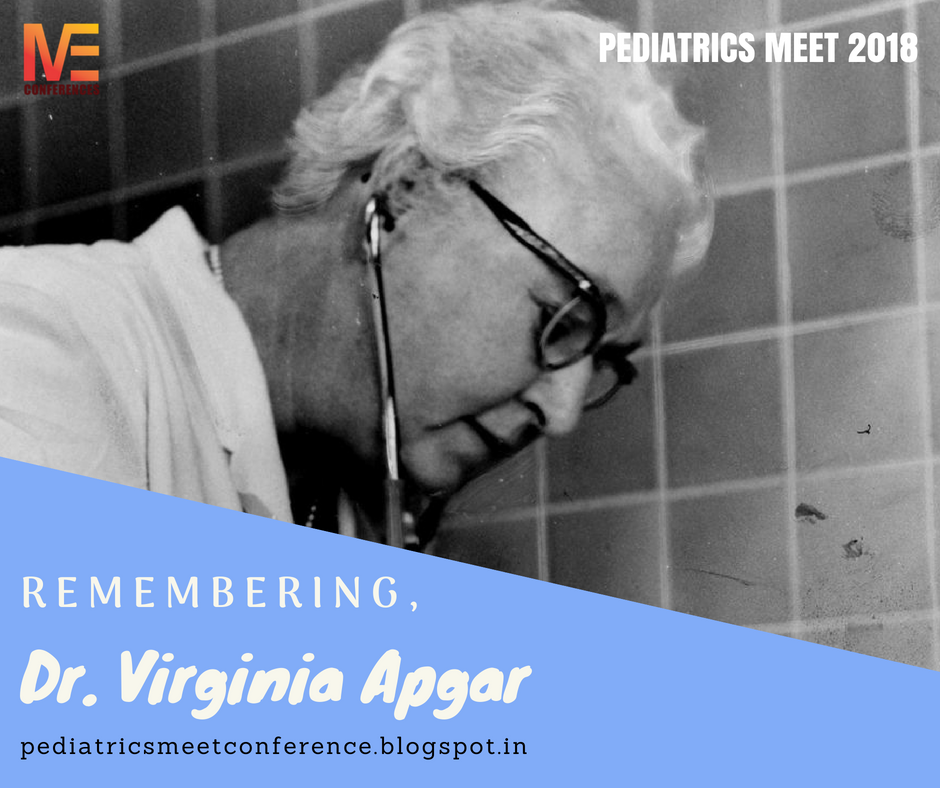
On June 7th, 109 years ago Dr Virginia Apgar was born. She is well known American anesthesiologist for creating the 'Apgar Score' that determines the health of a newborn baby. Being the first female professor at Columbia University College of Physicians and Surgeons (P&S) in 1949, she eventually had grabbed many commendable accolades. It was a time when infant mortality rate was quite high. Her distinguished invention of the “Apgar Score” added a new dimension to the field of neonatology. She had co-authored a book named “Is my baby all right?” which discusses various facets of birth defects and its treatment.
The Apgar Score
Since its discovery in 1952, it had taken the centre stage to determine new-born baby’s health. It is henceforth used by all doctors to assess the first few moments of the baby after his welcome to this world. In the labour room, the score is declared which lets the doctor know whether the baby is normal or needs special care. The Apgar score is split into 5 categories, where each category gets 0 to 2 points depending on the child's condition.
The categories are:
Category
Point 0
Point 1
Point 2
A- Activity or muscle tone
Muscle tone is limp of floppy
The limbs are flexed
Active movement Present
P- Heart rate or Pulse
Absent pulse
Less than 100 beats per minute
More than 100 beats per minute
G- Grimace or Response to stimulation
Response to stimulation is Absent
Facial movement Present
Coughing, sneezing, crying or withdrawal of foot with stimulation is Present
A- Appearance
Blue, bluish-grey or pale all over
the Pink body but in extremities of blue
All over pink baby
R- Respiration or Breathing
Respiration or breathing is absent
Respiration is irregular and is coupled with weak crying
Breathing is good along with strong crying

The Apgar score is recorded at an interval of 5 minutes. Generally, the score of 7-10 is considered normal. Below that, the baby needs special treatment. It has been observed that baby with complicated delivery or a caesarean baby has a low Apgar score.

Friday, 18 May 2018

Stop Polio, Vaccinate!!!

Poliomyelitis, regularly called polio or childish loss of motion is an irresistible illness caused by the poliovirus. Polio is an infectious viral disease which affects mainly children. The virus is easily transmitted through contaminated food and water where it can invade the nervous system and leads to paralysis. Among the paralyzed some die when breathing muscles become immobilized. In around 0.5 percent of cases, there is muscle shortcoming bringing about a powerlessness to move. This can happen over a couple of hours to a couple of days. The shortcoming frequently includes the legs, however, may less ordinarily include the muscles of the head, neck and diaphragm. Many yet not all individuals completely recover. In those with muscle shortcoming around 2 to 5 percent of kids and 15 to 30 percent of grown-ups die. Another 25 percent of individuals have minor manifestations, for example, fever and a sore throat and up to 5 percent have a migraine, neck firmness and torments in the arms and legs. These individuals are for the most part back to typical inside maybe a couple weeks. In up to 70 percent of contaminations, there are no symptoms. Years after recuperation post-polio disorder may happen, with a moderate advancement of muscle shortcoming like what the individual had amid the underlying infection.


Poliovirus is normally spread from individual to individual through contaminated faecal issue entering the mouth. It might likewise be spread by nourishment or water containing human dung and less ordinarily from tainted saliva.  Those who are contaminated may spread the ailment for up to a month and a half regardless of whether no manifestations are present. The illness might be analyzed by finding the infection in the excrement or identifying antibodies against it in the blood. The sickness just happens normally in humans.

For More discussions on Poliomyelitis join us at “21st Global Summit on Pediatrics, neonatology & Primary Care” during July 16-17, 2018 at Dubai, United Arab Emirates.

Friday, 11 May 2018

Nappy Rash or Irritant diaper dermatitis: Pediatrics Meet 2018

Irritant diaper dermatitis is a non-specific term connected to skin rashes in the diaper zone that are caused by different skin issue and additionally aggravations. One of the leading organization collected information about nappy rash using self-completed questionnaires answered by parents at the end of the first four weeks of their baby’s life. The study found that 25% of the babies had experienced napkin dermatitis.
The organization has a comprehensive clinical knowledge summary on nappy rash here. Salient points:
  • Skin swabs are not recommended for the management of nappy rash as the results are difficult to interpret.
  • Both Candida and bacteria (such as Staphylococcus aureus) colonize healthy skin and a skin swab may be positive when infection is not present.
  • A swab should only be taken when a secondary bacterial infection is suspected, to guide the choice of antibiotic. 
https://pediatricsummit.conferenceseries.com/middleeast/

The issue would be discussed more at our upcoming conference event “21st Global Summit on Pediatrics, Neonatology & Primary Care” during July 16-17, 2018 at Dubai, UAE revolving around the theme, “Probing LatestTrends in Pediatrics, Neonatology & Primary Care”
  • Consider using nappies with the greatest absorbency (for example, disposable gel matrix nappies)
  • Leave nappies off for as long as is practically possible. Clean and change the child as soon as possible after wetting or soiling. Use water, or fragrance-free and alcohol-free baby wipes.
  • Dry gently after cleaning — avoid vigorous rubbing.
  • Bath the baby every day — but sidestep extreme bathing which may dehydrate the skin.
  • Do not use the cleanser, bubble bath, or cosmetics. Advise about skin care.
  • Prescribe a barrier arrangement to apply thinly at each nappy removal, to defend the skin. Zinc and Castor Oil ointment BP or Metanium ointment is prescribed. Alternatively, white soft paraffin BP lotion or dexpanthenol 5% ointment (Bepanthen) could be used.
  • For children over 1 month of age, consider directing thematic hydrocortisone 0.5% or 1% cream once a date for 7 days max.

Monday, 16 April 2018

Hand, Foot & Mouth Disease: What you need to know: Pediatrics Meet 2018

News of hand, foot and mouth disease (HFMD) has made its timely entrance into the news cycle. Since an American University experienced an outbreak of the viral infection last year, there has been heightened awareness surrounding the virus, its symptoms, and its causes. And, unless you or a family member has been infected with it in the past, you may be wondering, too.
The symptoms of HFMD
Some of HFMD’s symptoms—like a fever and sore throat or difficulty swallowing—aren’t anything alarming and might make you think it’s a case of strep throat, a cold or the flu. However, HFMD is also often accompanied by painful mouth sores, and flat red spots or blisters on different areas of the body, including hands, legs, feet, elbows and even the genital area. If little red spots popping up is observed in these areas or experiencing throat and mouth pain, it’s typically a sign of HFMD.
How is it transmitted?
HFMD is easy to perceive and easy to share. The virus is dispersed through intimate touch, which could be something as easy as hugging, kissing, or shaking hands with an infected individual.
The transmission of bodily fluids can also lead to a diagnosis, so it would be better to limit the sharing of cups or silverware and washing of hands thoroughly after using the bathroom or changing a child’s diaper.
If you’re diagnosed with HFMD, make sure to keep coughs and sneezes to yourself, wash your hands often with soap and warm water, and try to be as diligent as possible about wiping down areas or objects that you may have touched to prevent the spread of infection.
Although it is most common among children—and especially easy to transmit in places like daycares and school classrooms—HFMD can affect anyone of any age.
Preventive measures to HFMD?
Washing hands often and thoroughly, especially before preparing a meal, after going to the bathroom or changing a diaper, and making person-to-person contact during the months when an outbreak is more likely.
Clean and disinfect toys, counters, and other objects/surfaces regularly. In classrooms and daycares, and even at home, the infection can be spread easily. Keep yourself and others protected by using disinfectant to clean often-used objects and surfaces.
Avoiding close contact with those who are infected with HFMD. If you need to make close contact with someone with HFMD, follow the steps above to prevent it from spreading.
If you think you or a loved one may have been diagnosed with HFMD, call your pediatrician or family physician to report your symptoms. You should also alert other individuals, like teachers or babysitters, about the diagnosis so that they can begin prevention tactics and look for symptoms in others.

Today's Blog unveiled the upcoming “21st Global Summit on Pediatrics, Neonatology & Primary Care” which is being held on 16th and 17th July 2018 at Dubai, UAE. Pediatrics Meet 2018 is expected to give in-vogue pediatrics' phase to Clinical Pediatricians, enlisted and diverse pros and understudies working in the field to consider, exchange views and their experiences before an extensive worldwide social occasion of individuals. The social gathering welcomes Presidents, CEO's, Delegates and present-day authorities from the field of Pediatrics, Neonatology, Healthcare, Primary Care and other relevant administration positions to participate in these sessions, B2B get together and board talks.

For More: http://pediatricsummit.conferenceseries.com/middleeast/

Sunday, 8 April 2018

What happens when kids don’t eat breakfast?- Pediatrics Meet 2018

Breakfast skipping is common amongst children and adults in western international places. Teen girls are the least probably to eat in the morning. A examine of 10,000 children and younger people observed that about 20% of children and greater than 31% of youngsters skipped breakfast often.
The motives given for no longer consuming breakfast are commonly bad time management or lack of appetite. However, it’s additionally linked to parental effect whether a figure does or doesn’t devour breakfast impacts whether or not or not their children will.

Fitness-compromising behaviours and awful existence have additionally been related to breakfast skipping in young human beings. Smoking, alcohol, and caffeine intake are more likely amongst those who hardly ever consume breakfast. because of the significance of a superb breakfast and the association with mental alertness amongst kids, breakfast golf equipment is getting increasingly every day in number one faculties. To evaluate the efficacy of school feeding packages decided that many applications are finished so as to cope with the dietary deficiencies that have an effect on thoughts boom and performance in university college students.

Consuming conduct shaped in formative years hold into maturity. Consequently, awful nutritional styles amongst young human beings have crucial implications for their existence-prolonged health and well-being. due to the truth parental effects can decide whether or no longer youngsters and young adults consume breakfast, encouraging mother and father to consume breakfast often can play an essential position in getting children to devour inside the morning.

More will be discussed at our upcoming global summit on Pediatrics, Neonatology & Primary Care.

For More: https://pediatricsummit.conferenceseries.com/middleeast/

Monday, 2 April 2018

Computerized Tomography: Pediatrics Meet 2018

Children's (Pediatric) CT (Computed Tomography)
Pediatric computed tomography (CT) is a fast, painless diagnostic Process that uses special x-ray tools to produce complete photographs of your child’s blood vessels, bones, soft tissues and internal organs. It may be used to help diagnose abdominal pain or evaluate injury after trauma.
What is Children's CT?
Most commonly known as a CT or CAT scan, is an indicative therapeutic test that, like conventional X-rays, generates multiple images or pictures of the core of the body.
The cross-sectional illustrations produced during a CT scan can be reformatted in various planes, and can even produce three-dimensional images. These photographs can be observed on a computer monitor, printed on film or transferred to a CD or DVD.
CT pictures of internal organs, delicate tissue and veins give more prominent part than regular X-rays, particularly of blood vessels acnes.
CT scan might be directed on babies, new-born children and young people.

Some common uses of the system: 

  • CT is utilized to help analyze a wide assortment of circumstances because of torment or weakness.
  • CT may also be performed to evaluate blood vessels throughout the body.
  • CT is the most commonly used imaging method for evaluating the chest
  • It is used to obtain very detailed pictures of the heart and blood vessels in children, even newborn infants.
  • CT is well-suited for imaging diseases or impairment of vital organs in the stomach including the kidney, spleen and the liver.
  • CT scans can help in detect sores or tumours in the pelvis and assess for masses in the urinary region
  • CT is an added example of new medical technology to help doctors specifically to diagnose disease. Patients with heart disease require specific diagnoses, and they frequently want them quick.

Friday, 16 March 2018

Congenital Heart Defect (CHD): Pediatrics Meet 2018

A congenital heart defect (CHD), also known as a congenital heart anomaly or congenital heart disease, is a problem in the structure of the heart that is present at birth. Signs and side effects rely upon the sort of issue. Side effects can fluctuate from none to perilous. At the point when introduce they may incorporate fast breathing, pale blue skin, poor weight gain, and feeling tired. It doesn't cause chest torment. Most intrinsic heart issues don't happen with different maladies. Difficulties that can come about because of heart abandons incorporate heart disappointment.
The reason for an innate heart imperfection is regularly obscure. Certain cases might be because of contaminations amid pregnancy, for example, rubella, utilization of specific prescriptions or medications, for example, liquor or tobacco, guardians being firmly related, or poor dietary status or corpulence in the mother. Having a parent with an intrinsic heart imperfection is additionally a hazard factor. A few hereditary conditions are related to heart absconds including Down disorder, Turner disorder, and Marfan disorder. Inborn heart deserts are isolated into two primary gatherings: cyanotic heart surrenders and non-cyanotic heart abandons, contingent upon whether the youngster can possibly hand somewhat blue over shading. The issues may include the inside dividers of the heart, the heart valves, or the vast veins that prompt and from the heart.


Congenital heart defects are partly preventable through rubella inoculation, the adding of iodine to salt, and the adding of folic corrosive to certain sustenance items. A few imperfections needn't bother with treatment. Other might be successfully treated with catheter-based methods or heart surgery. Sporadically a few tasks might be required. Occasionally heart transplantation is required. With suitable treatment, results are for the most part great, even with complex issues.
Heart abandons are the most widely recognized birth imperfection. In 2015 they were available in 48.9 million individuals universally. They influence about 4 and 75 for every 1,000 live births relying on how they are analyzed. Around 6 to 19 for each 1,000 reason a direct to the extreme level of issues. Inborn heart abandons is the main source of birth imperfection related passings. In 2015 they brought about 303,300 passings down from 366,000 passings in 1990.

Sunday, 11 March 2018

Differentiated thyroid cancer in children: Pediatrics Meet 2018

Differentiated thyroid cancer (DTC) includes papillary thyroid cancer and follicular thyroid cancer. Papillary thyroid cancer is the most common form of thyroid cancer in both children and adults and represents about 85 to 90 percent of all DTC diagnoses. Follicular thyroid cancer accounts for only 5 to 10 percent of pediatric patients with differentiated thyroid cancer.
Papillary thyroid cancer (PTC) in children and adolescents does not behave the same as it does in adult patients. Even when PTC has spread to the lymph nodes or lungs, pediatric patients with the disorder have much better outcomes compared to adults. About 40 to 60 percent of children diagnosed with differentiated thyroid cancer will have papillary thyroid cancer that has spread to the lymph nodes; for about 15 percent, the PTC has spread to their lungs.
Unlike papillary thyroid cancer, follicular thyroid cancer (FTC) is usually found as a solitary thyroid nodule. While follicular thyroid cancer has less chance of spreading to the lymph nodes in the neck, there is a higher chance of cancer spreading to distant sites in the body, such as the bones, because FTC can invade blood vessels.

No matter how much cancer has spread, pediatric patients with differentiated thyroid cancer have more than a 95 percent survival rate 20 to 30 year after treatment. When properly evaluated and treated, many pediatric patients with differentiated thyroid cancer will go on to lead productive and rewarding lives.
Clinical experts may use a variety of diagnostic tests including:
Ø  Blood test to measure the thyroid-stimulating hormone (TSH) level to determine how well your child’s thyroid is working.
Ø  Thyroid ultrasound (or thyroid scan) to learn about the size, number, appearance and location of any thyroid nodules and abnormal lymph nodes.
Ø  Fine-needle aspiration (FNA) to collect cells from the thyroid, and possibly lymph nodes, to be examined under a microscope.

A nuclear medicine uptake and the scan will be ordered if your child’s TSH level is low or suppressed. This test determines how well the thyroid tissues are absorbing iodine.

Saturday, 3 March 2018

Let's Join Hands & Stand beside Syria: Pediatrics meet 2018

The keeping enduring of regular citizens living under attack in Syria has been brought into sharp concentration by new pictures of a malnourished infant who later passed on of starvation in a suburb of Damascus controlled by the restriction.

The pictures discharged a one-month-old child weighing under 2kg, with depressed eyes and her ribs jutting through the translucent skin. The youngster was being dealt with for lack of healthy sustenance by a specialist in the town of Hamouria, in the eastern Ghouta district. She passed on Sunday.

"The provisions are low, and on the off chance that it proceeds with more children will kick the bucket," said one guide official, who asked for namelessness.

A huge number of regular folks in Ghouta are living under a bar forced by powers faithful to the Syrian president, Bashar al-Assad. Around 3.5 million individuals in Syria live in attacked or difficult-to-achieve territories, and the dominant part of those are in places militarily enclosed by the Assad administration.

Infighting by neighbourhood revolt powers and the accumulating of sustenance supplies by shippers have compounded an effectively desperate emergency.

Specialists and activists say sustenance deficiencies are severe to the point that many instances of lack of healthy sustenance are being found in nearby facilities and field clinics. New moms can't breastfeed their youngsters since they themselves are undernourished, and items, for example, infant drain are nearly non-existent.

Let us join Hands and stand beside Syria.

Pediatrics Meet 2018 team invites all the Presidents, CEO's, Delegates and present-day authorities from the field of Pediatrics, Neonatology, Healthcare, Primary Care and other relevant administration positions to participate in these sessions, B2B get together and board talks.
For More: https://pediatricsummit.conferenceseries.com/middleeast/

Monday, 5 February 2018

Plastic Toys- A colorful, charming hazard to children: Pediatrics Meet 2018


The plastic used in various second-hand playthings could pose a hazard to children's health because it may not meet the most up to date international safety guidelines, according to new research publications.
Scientists from the various universities analyzed 200 used plastic toys which they found in homes, nurseries and charity shops across the South West of England.
These included construction products, cars, trains, figures and puzzles, with all of them being of a size that could be eaten by young children.
They identified high applications of dangerous components including barium, bromine, antimony, chromium, cadmium, lead and selenium - which are chronically poisonous to children at low levels over a prolonged period - in many construction blocks, characters and items of jewellery that were typically either red, yellow or black.
Further examinations revealed that under simulated belly circumstances (involving extraction in dilute hydrochloric acid) various gadgets discharged amounts of lead, bromine and cadmium or that capped limits set by the European Council's Toy Safety Directive, with the discharge of cadmium surpassing its ultimate value by an order of importance in some cases.
Earlier researchers were conducted which showed that decorated drinking glasses can contain toxic levels of lead and cadmium, and that yard colours should be more firmly observed to decrease the inherent threat to public health.
Second-hand toys are a charming choice for families since they can be procured specifically from companions or relatives or acquired sensibly and effortlessly from welfare stores, insect markets and on the web. Be that as it may, while the Toy Safety Directive applies to present day items there is no statute joining the reusing or resale of utilized stuff.

With the enlightenment and civilization of the Toy Safety Directive, the substitutes enterprise has had to take measures to eradicate perilous components from new toys. However, purchasers should be made more conscious of the possible hazards correlated with mean, mountable and brightly dyed old plastic toys or elements. Without that, the engaging cost, service and recyclability of beforehand used gadgets have the potential to build a legacy of artificial infection for adolescent children."

Saturday, 27 January 2018

Childhood Asthma: A concern for a better future

Asthma, a well-known long-term inflammatory disease of the airways of the lungs. Each year, many people with asthma require treatment in the emergency department with a portion requiring hospitalizations. Children younger than 18 years of age account for a large portion of emergency department visits and hospitalizations due to asthma exacerbations. The extent of the consequences of asthma in children can be demonstrated by the fact that asthma accounts for more hospitalizations in infants than any other incurable illness. Moreover, asthma induces adolescents and children to miss school and causes parents to miss work days. As might be anticipated, asthma also values for added school absences than any other chronic disease.

The disorder caused by the inflammation of the bronchi leading to the lungs is called Asthma. This inflammation causes bronchi to contract and narrow, which restricts air from circulating easily into the lungs, making it difficult to breathe. Symptoms include breathlessness, wheezing, cough, and chest tightness especially at night or after workout/activity. The inflammation may be totally or somewhat reversed with or without medications.
The infection of the bronchi makes them very twitchy, followed by the spasm of the airways that tend to narrow, especially when the lungs are imperilled to an abuse such as viral infection, cold air, allergens, exercise and exposure to smoke. The reduced calibre of the airways results in a reduction in the amount of air going into lungs, making it hard to breathe. When an individual with asthma is revealed to a trigger, their delicate bronchi become inflamed, expand up, and fill with mucus. In addition, the muscles lining the swollen airways contract and constrict, making them even more narrowed and obstructed.
So, an asthma flare is caused by three major developments in the bronchi that make inhaling more complex:
1.       Swelling of the Bronchi.
2.       Excess mucus that happens in obstruction and mucus "plugs" that get intercepted in the narrowed bronchi.
3.       Narrowed bronchi or bronchoconstriction.

Anyone can have asthma, including children and youths. The trend to evolve asthma is often inherited; in other words, asthma can be more prevalent in several generations.

More will be discussed in the upcoming “21st Global Summit on Pediatrics, Neonatology & Primary Care” which is being held on 16th and 17th July 2018 at Dubai, UAE.

For more: https://pediatricsummit.conferenceseries.com/middleeast/

Monday, 15 January 2018

Children feel better physically and mentally, while they spent some family meal times: Pediatrics Meet 2018

A kid’s physical, mental health is a very important and proper nutrition is a vital aspect of a child’s health. Infant nutritional needs vary considerably with the level of activity, age, and environmental circumstances, situations, conditions and they are direct to the rate of growth. Dairy products are essential to increase the calcium intake of the body. Child nutrition must consist of essential Vitamins and Minerals which help the growth and development. Proteins are the basic units required mainly for the development of the body muscles and in all the metabolic activities of the body. Dairy products help to increase the calcium intake of the body which is essential for a new-born child.
The study looked at children who had been followed by researchers since they were 5 months old as part of the Quebec Longitudinal Study of Child Development. At age 6, their progenitors began advising on whether they had family meals together. At age 10, parents, educators and the kids themselves contributed knowledge on the children's lifestyle practices and their psycho-social health.
When the family meal scene quality was better at age 6, raised levels of overall health and depressed levels of soft-drink consumption were witnessed at age 10. These children also resembled to have more social abilities, as they were less likely to self-report being physically aggressive, oppositional or delinquent at age 10.

At a time when fewer classes in Western nations are having meals together, it would be particularly opportune now for psycho-social workers to support the system at home - certainly, even give it a priority, the researchers believe. And family meals could be touted as beneficial in public-information operations that aim to increase the awareness regarding child development.
The upcoming “21st Global Summit on Pediatrics, Neonatology & Primary Care” which is being held on 16th & 17th July 2018 at Dubai, UAE. Pediatrics Meet 2018 is expected to give in-vogue pediatrics' phase to Clinical Pediatricians, enlisted and diverse pros and understudies working in the field to consider, exchange views and their experiences before an extensive worldwide social occasion of individuals. The social gathering welcomes Presidents, CEO's, Delegates and present-day authorities from the field of Pediatrics, Neonatology, Healthcare, Primary Care and other relevant administration positions to participate in these sessions, B2B get together and board talks.
Major tracks included are:
Pediatric Diet
Pediatric & Neonatal Nutrition
Child & Adolescent Obesity
Challenges in Pediatric Drug Development
Child Developmental & Behavioral Disorders
Pharmaco-Therapeutic Referrals (CPR)
Primary Care Ethics
Neonatal Jaundice
Neonatal Orthopedics
Neonatal Cardiology
Neonatal Nursing
Neonatal Dermatology
Latest Trends in Child Neurology
Clinical Pediatrics and many more…

For more Details, visit: https://pediatricsummit.conferenceseries.com/middleeast/

Saturday, 6 January 2018

Vitamin K Deficiency in New-Borns: Pediatrics Meet 2018

Vitamin K deficiency does occur in new-borns.
Vitamin K is a group of structurally related, fat-soluble vitamins the human body needs for complete synthesis of several proteins that are required for blood and which the body also needs for monitoring binding of calcium in bones and other tissues. The main sign of a vitamin K deficiency is extreme bleeding caused by an inability to form blood clots. Vitamin K is found in some plant foods, such as leafy green vegetables, and is also generated by the body. There are numerous causes why new-born babies are more likely to vitamin K deficiency. These are:
•   Vitamin K does not transfer well from a mother's placenta to her baby
•   Drinking breast milk having low Vitamin K
•   Vitamin K-2 is not produced in the first few days of birth in the newborn's gut
•   Vitamin K-2 is not used efficiently new-born baby's liver
Foods that are high in vitamin K include green, leafy vegetables, prunes, and fermented dairy products. Vitamin K administered at birth can prevent a deficiency occurring in Neonatal babies. It is usually given as a shot. A vitamin K shot is very necessary for new-borns under specific circumstances.


Risk factors for vitamin K deficiency bleeding include:
•    New-borns not given vitamin K at birth breastfed exclusively and exposed to antibiotics
•    Babies with mothers consuming anti-seizure drugs, anticoagulants, or drugs for tuberculosis
•    Babies that are born prematurely
To know more related to these exclusive researchers we welcome in the upcoming conference “21st Global Summit on Paediatrics, Neonatology & Primary Care” which is being held on 16th & 17th July 2018 at Dubai, UAE. Paediatrics Meet 2018 is expected to give in-vogue paediatrics’ phase to Clinical Paediatricians, enlisted and diverse pros and understudies working in the field to consider, exchange views. The social gathering welcomes Presidents, CEO's, Delegates and present-day authorities from the field of Paediatrics, Neonatology, Healthcare, Primary Care and other relevant administration positions to participate in these sessions, B2B get together and board talks

Friday, 29 December 2017

Pediatric Vaccination : A Miracle Cure

A vaccine is a biological development that provides vital acquired immunization to a particular condition. A vaccine typically comprises an agent that resembles a disease-causing microorganism and is often made from disabled or killed forms of the microbe, its toxins, or one of its surface proteins. The agent excites the body's immune system to identify the agent as a warning, suppress it, and to further verify and destroy any of the microorganisms correlated with that agent that it may encounter in the future. Vaccines can be prophylactic (to inhibit or improve the consequences of a likely infection by a natural or "wild" pathogen), or therapeutic. The effectiveness of vaccination has been extensively examined and documented; for example, the HPV vaccine, the influenza vaccine, and the chicken pox vaccine. The World Health Organization reports that licensed vaccines are currently available for twenty-five different curable infections.


For more, we welcome you all to the upcoming “21st Global Summit on Pediatrics, Neonatology & Primary Care” Conference which is being held on 16th and 17th July 2018 at Dubai, UAE.

Major tracks included are:
Pediatric & Neonatal Vaccines
Advancements in Pediatric Surgery
Child & Adolescent Obesity
Child Developmental & Behavioral Disorders
Clinical Pediatrics
Neonatal & Adolescent Medicine
Neonatal Nursing
Pediatric & Neonatal Nutrition
Pediatric Allergy & Infections
Pediatric Critical Care
Primary Care Ethics and many more…

Saturday, 23 December 2017

Unleashing new Horizons in Pediatrics and Neonatology: Obesity 


Obesity is one of the most important concerns in today’s world. Child obesity leads to many unwanted prolonged diseases which sometimes never get cured. One-third of children in the United States are fat or overweight. More importantly, this ratio is continuing to rise. Adults have higher weight-related issues and medical difficulties than children. However, overweight kids are at great risk of becoming overweight youths and while they grow up, they have a higher risk of developing chronic diseases such as heart disease and diabetes later in life. They are also more prone to develop low self-esteem, stress and sadness.
There are various general reasons for increased weight:
        
  •  Bone and joint problems
  • Shortness of breath that makes exercise, sports, or any physical activity more difficult and may make asthma symptoms worse or lead kids to develop the condition
  • Obstructive sleep apnea
  •  Problem in Menstrual cycle of girls in their teenagers
  •  Obese kids also might have emotional issues

The upcoming “21st Global Summit on Pediatrics, Neonatology & Primary Care” which is being held on 16th and 17th July 2018 at Dubai, UAE. Pediatrics Meet 2018 is expected to give in-vogue pediatrics' phase to Clinical Pediatricians, enlisted and diverse pros and understudies working in the field to consider, exchange views and their experiences before an extensive worldwide social occasion of individuals. The social gathering welcomes Presidents, CEO's, Delegates and present-day authorities from the field of Pediatrics, Neonatology, Healthcare, Primary Care and other relevant administration positions to participate in these sessions, B2B get together and board talks.

Major tracks included are:
Child Developmental & Behavioral Disorders
Neonatal & Adolescent Medicine
Primary Care Ethics
Neonatal Nursing
Advancements in Pediatric Surgery
Pediatric Critical Care
Child & Adolescent Obesity
Pediatric Allergy & Infections
Pediatric & Neonatal Nutrition
Clinical Pediatrics and many more…

Monday, 4 December 2017

PEDIATRICS MEET 2018

About Conference


21st Global Summit on Pediatrics, Neonatology & Primary Care being held on July 16-17, 2018 in Dubai, UAE.

The main theme of the Summit falls on “Probing Latest Trends in Pediatrics, Neonatology & Primary Care”

Pediatrics Meet 2018  feels honored and obliged in inviting all of the, academicians, doctors, practitioners,  researchers, scientists, professionals, delegates from around the globe to go to 21st Global Summit on Pediatrics, Neonatology & Primary Care which incorporates incite keynote presentations, Oral Sessions on Pediatrics, Neonatology & Primary Care, Pediatric Workshops, young researcher talks, Pediatric and Neonatology Symposium, Pediatric, Neonatology & Primary Care Poster Sessions and Exhibitions.

Pediatrics Meet 2018 is intended to give professionals an investigation of the key part of Pediatrics and Neonatology in health & Primary care management. This Pediatric Event is intended to give a chance to the specialists in the field of Pediatrics, Neonatology, Healthcare, Primary Care and Medical professional to look at latest movements, up gradations, revelations, headways and challenges in the field.

Pediatrics Meet 2018 is expected to give an in vogue pediatrics’ phase to Clinical Pediatricians, enlisted and diverse pros and understudies working in the field to consider, exchange views and their experiences before an extensive worldwide social occasion of individuals. The social gathering welcomes Presidents, CEO's, Delegates and present-day authorities from the field of Pediatrics, Neonatology, Healthcare, Primary Care and other relevant administration positions to participate in these sessions, B2B get together and board talks.

ConferenceSeries LLC arranges Nutrition Congress Annually crosswise over Middle East, Europe, Ireland, Israel, Germany, Liechtenstein, Argentina, Lithuania, Finland, Luxembourg, Hungary, Oman, Italy, Norway, Poland, Macedonia, Portugal, Romania, Australia, Czech Republic, Switzerland, India, United Kingdom, Belgium, United States, Brazil, Georgia, Canada, China, Chile, Latvia, Turkey, Ukraine, Egypt, Thailand, UAE, Sweden, Vietnam, Denmark, Mexico, Spain, Jamaica, Singapore, Bangladesh, Indonesia, Kuwait, Netherlands Russia, Japan, Bulgaria, Malaysia, Philippines, Qatar, Saudi Arabia, South Korea, Taiwan, South Africa, France, New Zealand, Asia with sole topic of accelerating logical disclosures.

Conference Venue

Dubai, an emirate in the United Arab Emirates known for modernistic construction and architecture, luxury shopping, and of course lively nightlife scene. An 830m-tall tower, Burj Khalifa, overlooks the skyscraper-filled skyline. Speaking of artificial islands, just offshore is Atlantis, The Palm, a resort with water and marine-animal parks. At its foot lies Dubai Fountain, with jets and lights choreographed to hymnography. Dubai recently won the bid for the World Expo 2020.

Dubai was rated as one of the best places to live in the Middle East by American global consulting firm Mercer. Dubai Creek played a vital role in the betterment of living of the society in Dubai originally and was the set point which caused the commercial growth in Dubai. The Dubai Miracle Garden, a 72,000-square meter flower nursery, originated in Dubai estate. It is currently the world's largest flower garden. It has 45 million flowers with re-use of wastewater through drip irrigation.

Dubai is considered as an important center for higher education healthcare, well reputed and prestigious colleges and Universities. Dubai conferences indeed play a vital role in promoting scientific information and ideas all over the world. It can be estimated as a proper means for the sharing of valuable information about research and new progressions worldwide. The conferences being held here would benefit a diversity of scientific approaches among contenders belonging to diverse areas of science and technology. They serve as a significant center of gravity for reputed and profoundly affiliated global scientific leaders and provide an opportunity for reviewing the various research highlights at an international podium.

Conference Highlights


Special Issues


  •  All accepted abstracts will be published in respective Supporting International Journals.
  •  Abstracts will be provided with Digital Object Identifier by Cross Ref.